Troubleshooting Deliverability Drops at Scale
Deliverability can slip gradually or fail suddenly. A structured diagnostic helps you find root causes quickly and recover reputation. Use this checklist when you notice lower inbox placement or engagement.
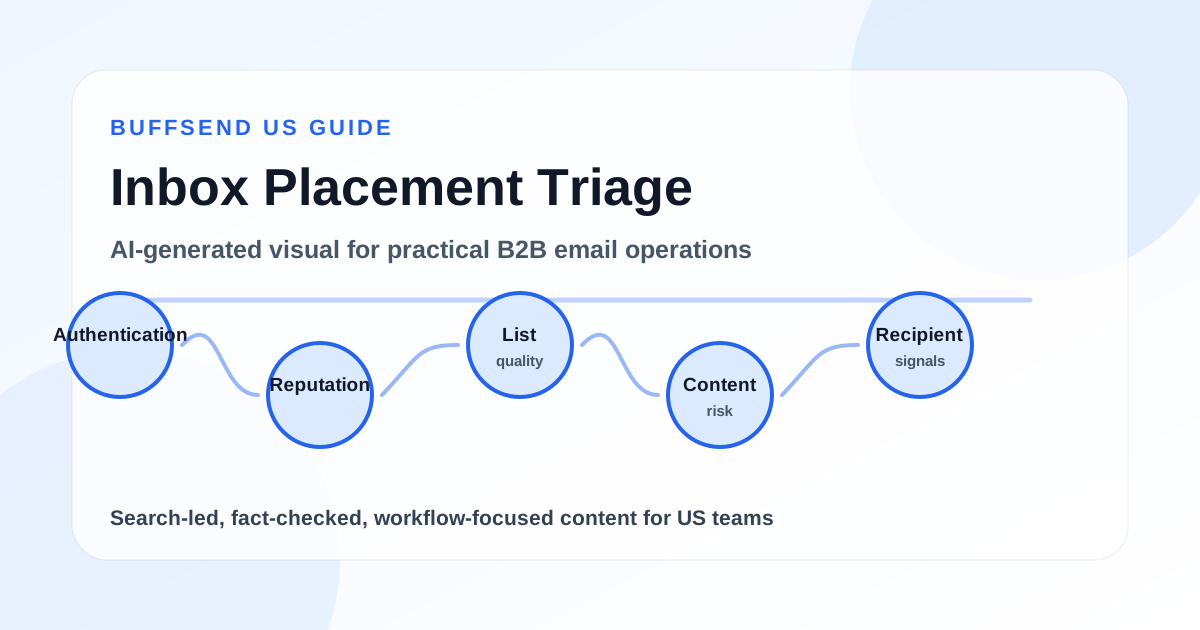
1) Check authentication and DNS
- SPF, DKIM, and DMARC alignment intact?
- Any recent DNS changes or expired keys?
- Reverse DNS and HELO/EHLO consistent?
2) Inspect sending patterns
Look for volume spikes, new audience mixes, or sudden changes in content. Correlate with a change log to pinpoint likely causes.
3) Analyze bounces and complaints
Which providers and segments are most affected? Are soft bounces due to rate limiting or content? Pause problem segments and reduce cadence while you investigate.
4) Reassess list quality
Run verification on recent imports. Tighten segmentation and sunset rules. Ensure unsubscribes and complaints suppress globally.
5) Run controlled tests
Send to a small, engaged cohort with a simple, text-first template. If placement improves, roll out fixes gradually and monitor.
Key takeaway
Systematic triage beats guesswork. Validate infrastructure, isolate variables, and reintroduce complexity only after stability returns.
Provider playbooks
Different providers surface different failure modes. For Gmail, watch engagement dips and content friction; for Microsoft, rate limits and authentication stability often matter more. Maintain a short internal note for each provider with known quirks and recovery tactics so on‑call responders move faster.
After‑action reviews
When an incident resolves, hold a brief review: timeline, root cause, what worked, what to change. Update guardrails and checklists. This habit lowers the chance of repeat incidents and builds team confidence.
Quick reference
- Auth verified • Scope isolated • Composition read
- Rollbacks applied • Caps reduced • Engaged cohort tested
- Notes saved • Next update time set • Owners assigned